
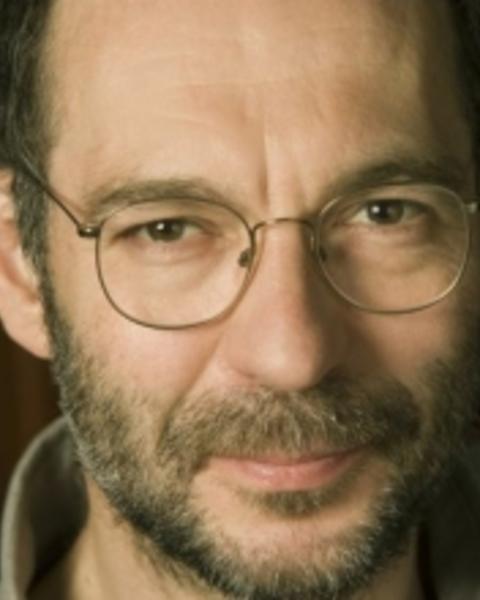
Norbert Perrimon, Ph.D. - Principal Investigator
A central challenge in biology is to unravel how cells communicate within complex tissues and how signals are integrated across an entire organism to maintain homeostasis and respond to changing physiological conditions. Studying this intricate communication requires methods that target and manipulate specific cell populations within a group of normal cells, as found in mosaic tissues or animals. Creating such genetic mosaics has enabled researchers to assign cell-autonomous and non-autonomous roles to genes, revealing how localized genetic perturbations can influence signaling pathways, tissue patterning, and systemic physiology. Throughout my career, my research has been unified by the goal of deciphering how cells, tissues, and organs exchange information. To approach this, my laboratory has focused on the development and application of innovative genetic tools to label, manipulate, and monitor defined subsets of cells within the Drosophila model system. Early efforts led to the creation of the FLP-FRT Dominant Female Sterile (DFS) technique, allowing the generation of mosaic tissues and germlines to study essential genes. Using the DFS technique, our group identified and characterized many key components of the Receptor Tyrosine Kinases, JAK/STAT, JNK, Wnt, Hedgehog, and Notch signaling pathways. In addition, we developed the GAL4/UAS system which brought unprecedented flexibility in controlling gene expression with spatial and temporal precision, empowering targeted genetic perturbations in vivo. By deploying these and subsequent advancements—including high-throughput genome-wide RNAi and CRISPR screening technologies—we systematically uncovered gene functions in development, signaling, stem cell behavior, and physiology. In addition, our discoveries of intestinal stem cells in the adult fly gut established a powerful platform for dissecting mechanisms of tissue regeneration and homeostasis. More recently, our work has taken a systems-level perspective, using genetic, molecular, and cell biological approaches to identify how organs communicate via secreted factors and signaling networks—providing fundamental insights into metabolic regulation, tissue adaptation, and the maintenance of organismal health. Altogether, the focus of my research over the years has focused on developing functional genetic strategies to understand the logic of cell and organ communication in vivo, empowering a broad community of scientists and illuminating principles conserved across animals.